Treatments and services

The 20 treatments offered at Smile Maker Dental Clinic, grouped by what they set out to do. Each one explains what the procedure involves and the kind of situation it generally suits.

Start with what you notice

Not sure of the clinical name? Choose the closest description and the treatments usually involved are listed. Which one fits is settled at an examination, where the doctors can look at the tooth, the gum and the bite.

Choose a description to see the treatments it usually involves. All 20 are listed below.

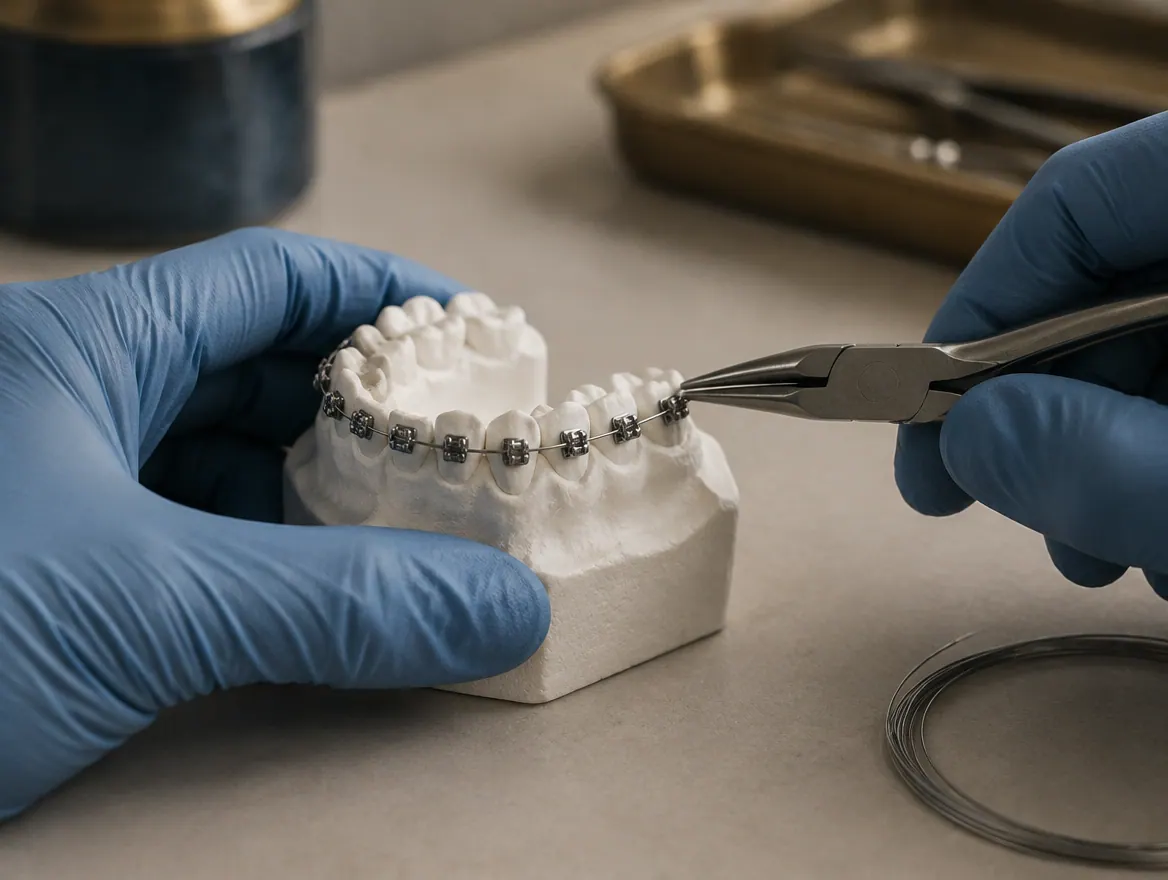
Illustrative image: gloved hands adjusting a braces wire on a plaster dental model

Alignment and Orthodontics

2 treatments

Orthodontics and Braces

Fixed braces gradually move teeth into better alignment and improve how the upper and lower teeth meet.

Braces apply light, continuous pressure through brackets and an archwire so teeth move into a planned position over a period of months. Metal and ceramic bracket options differ mainly in how visible they are.

Treatment begins with an assessment of the bite, records and X-rays, followed by a plan and regular adjustment visits. Wearing a retainer afterwards is part of every orthodontic plan.

Suitable for
Children, teenagers and adults with crowding, spacing or bite concerns.
Read the full guide

Invisalign and Clear Aligners

Removable, near-transparent aligner trays move teeth in small steps without fixed brackets.

A digital scan is used to plan a sequence of aligner trays. Each tray is worn for a set period before moving to the next, and the trays are removed for eating and cleaning.

Aligners suit many alignment concerns, though some cases are better treated with fixed braces. An assessment at the clinic establishes which approach fits your situation.

Suitable for
Adults and older teenagers who prefer a removable, discreet option.
Read the full guide
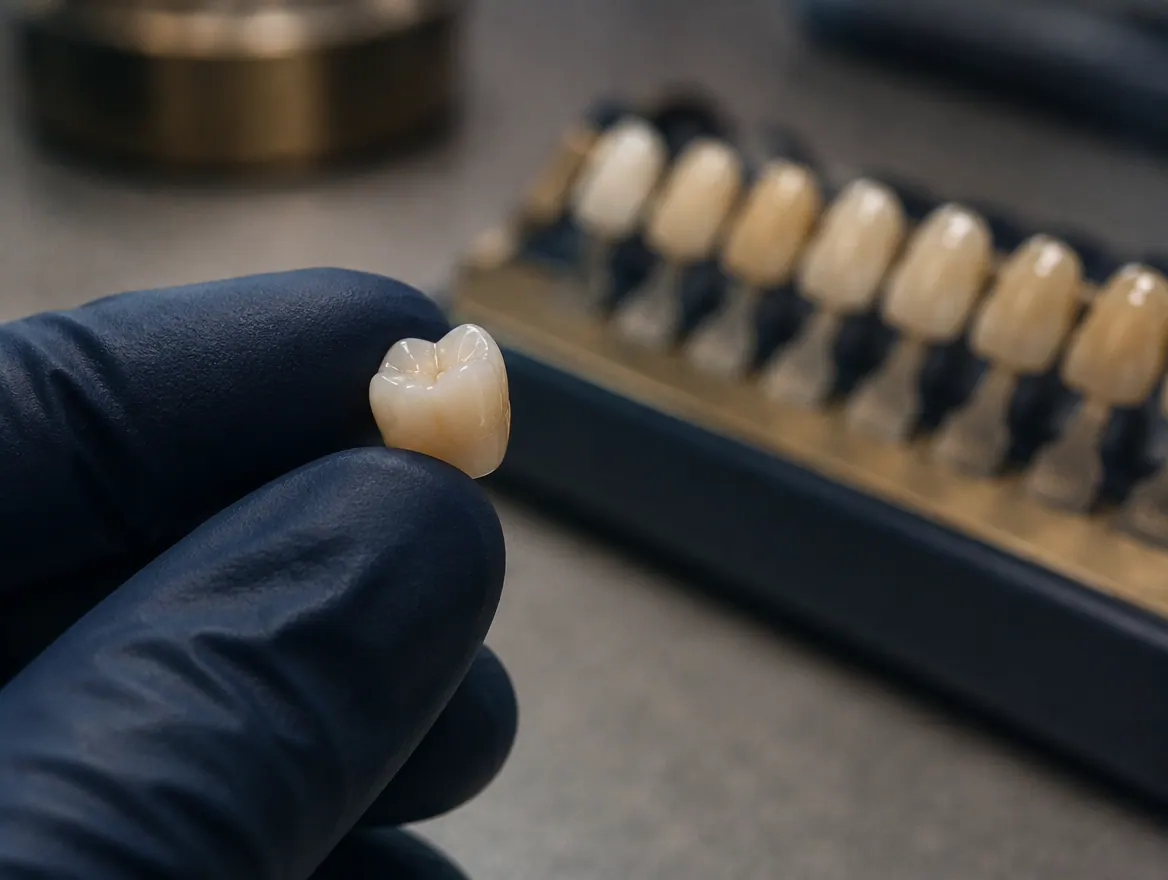
Illustrative image: a gloved fingertip holding a porcelain dental crown beside a shade guide

Restorative and Cosmetic Dentistry

7 treatments

Smile Design and Digital Smile Design

A planning process that maps how proposed dental work would relate to your teeth, gums and facial proportions.

Smile design combines photographs, measurements and digital planning to set out proportions, tooth shape and position before any treatment starts. It is a planning stage rather than a treatment in itself.

The plan is discussed with you and may involve orthodontics, veneers, crowns or gum treatment, depending on what the assessment shows.

Suitable for
Patients considering several cosmetic or restorative procedures together.

Veneers and Laminates

Thin custom shells bonded to the front of teeth to change their shape, shade or surface.

Veneers are made from porcelain or composite material and are bonded to the visible surface of a prepared tooth. Preparation removes a small amount of enamel, so the change is not reversible.

They are typically considered for discoloured, chipped or slightly irregular front teeth after any underlying gum or decay problems have been treated.

Suitable for
Patients with healthy teeth seeking a change to front-tooth appearance.

Crowns and Bridges

A crown covers a damaged tooth; a bridge replaces a missing tooth using the teeth on either side for support.

Crowns restore teeth that are heavily filled, cracked or root-treated by covering the remaining tooth structure. Materials include metal-ceramic and all-ceramic options.

A bridge spans a gap where a tooth is missing. Both involve preparing the supporting teeth, taking an impression or digital scan, and fitting the finished restoration at a later visit.

Suitable for
Patients with a heavily damaged tooth or a single missing tooth between sound teeth.

Root Canal Treatment

Treatment that removes infected or inflamed tissue from inside a tooth so the tooth can be kept.

The pulp inside a tooth can become inflamed or infected through deep decay, a crack or injury. Root canal treatment cleans and shapes the canals, then seals them.

The tooth is usually restored afterwards with a filling or a crown. Treatment is carried out under local anaesthetic and may take one or more visits.

Suitable for
Patients with persistent toothache, sensitivity to heat, or an infected tooth.
Read the full guide

Tooth-Coloured Fillings

Composite fillings restore a decayed or chipped tooth in a shade matched to the surrounding tooth.

After decay is removed, composite resin is placed in layers, shaped and hardened with a curing light. The shade is selected to match the neighbouring teeth.

Composite bonds to tooth structure, which means less healthy tooth generally needs to be removed than with older filling materials.

Suitable for
Patients with decay, small chips or worn edges on visible teeth.

Dentures

Removable replacements for several missing teeth or a full arch.

A partial denture replaces some missing teeth and rests on the remaining teeth and gums; a complete denture replaces a full arch.

Dentures are made over a series of appointments involving impressions, try-in and fitting, followed by review visits as you adjust to wearing them.

Suitable for
Patients with several missing teeth or a full arch to replace.

Teeth Whitening

A professional bleaching process that lightens the natural shade of teeth.

Whitening uses a controlled bleaching agent applied in the clinic or with custom trays for home use. An examination first confirms the teeth and gums are healthy.

Whitening acts on natural tooth structure. It does not change the shade of existing fillings, crowns or veneers, which may need replacing to match.

Suitable for
Patients with healthy teeth and gums who want to lighten natural staining.
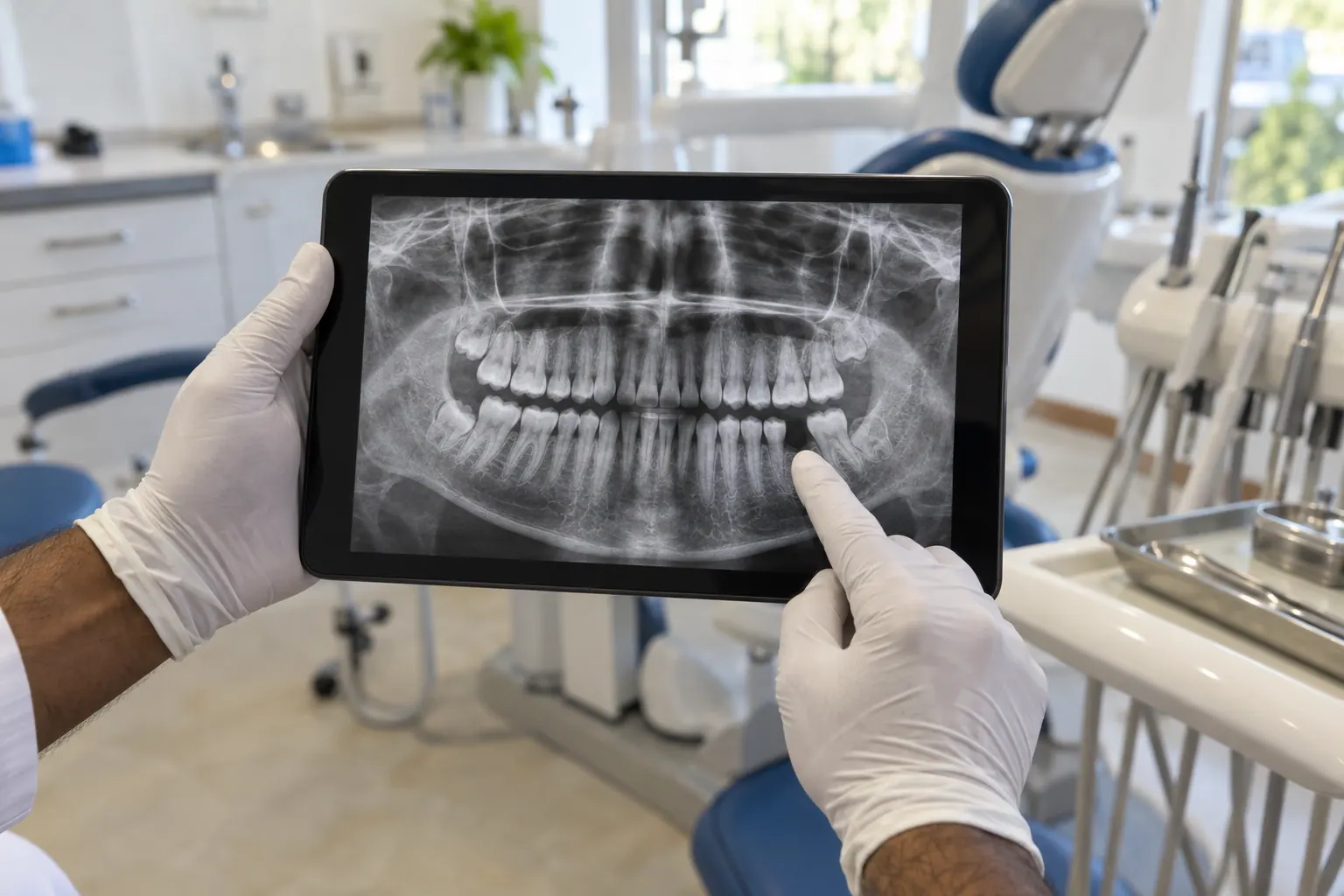
Illustrative image: gloved hands pointing to a missing tooth on a panoramic dental X-ray shown on a tablet

Oral Surgery

4 treatments

Tooth Extraction

Removal of a tooth that cannot be restored, carried out under local anaesthetic.

Extraction is considered when a tooth is too damaged by decay, fracture or gum disease to be saved, or when it is needed as part of an orthodontic plan.

The area is numbed before the procedure and you are given aftercare instructions for the healing period. Options for replacing the tooth can be discussed at the same appointment.

Suitable for
Patients with a tooth that cannot be restored or retained.

Wisdom-Tooth Surgery

Surgical removal of a wisdom tooth that is impacted or causing repeated problems.

Wisdom teeth often have too little room to come through fully. An impacted wisdom tooth can trap food, cause repeated gum infection or affect the tooth in front of it.

An X-ray shows the position of the tooth and nearby structures. The procedure is carried out under local anaesthetic, with aftercare instructions for the days that follow.

Suitable for
Patients with an impacted wisdom tooth or repeated pain and swelling around it.

Dental Trauma and Emergency Care

Dental injuries require timely assessment and appropriate care.

At Smile Maker, we evaluate dental trauma involving fractured, displaced or avulsed teeth, as well as injuries affecting the supporting tissues. Treatment is planned according to the nature and severity of the injury, with the aim of preserving natural teeth and restoring oral function wherever possible.

Suitable for
Patients with a fractured, displaced or knocked-out tooth, or an injury to the gums and supporting tissues.

Dental Implantology

Dental implants offer a reliable option for replacing missing teeth and restoring chewing function and smile aesthetics.

At Smile Maker, implant treatment begins with a thorough clinical assessment and appropriate diagnostic planning. Depending on individual needs, treatment may include single-tooth replacement, multiple implants or implant-supported restorations, with an emphasis on function, comfort and long-term maintenance.

Suitability depends on bone volume, gum health and general health, all of which are assessed with clinical examination and imaging beforehand.

Suitable for
Patients with one or more missing teeth and healthy gums.
Read the full guide
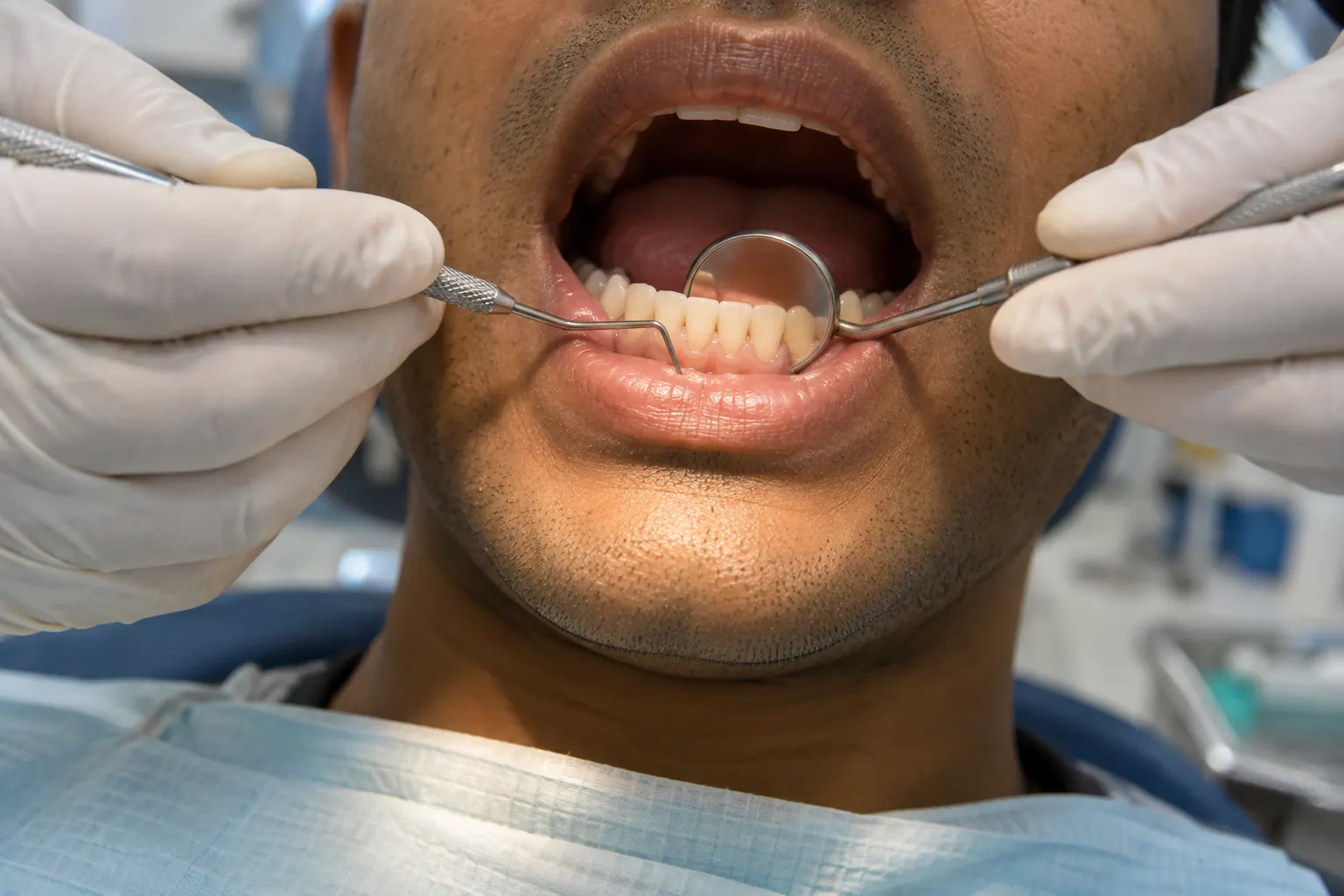
Illustrative image: a dentist examining the gum line with a periodontal probe and mouth mirror

Gum Health

2 treatments

Gum and Periodontal Treatment

Treatment for gum inflammation and gum disease affecting the tissue and bone supporting the teeth.

Gum disease begins with inflammation caused by plaque and hardened deposits. Left untreated it can affect the bone that supports the teeth.

Treatment usually starts with a thorough clean below the gum line, followed by review. More advanced cases may need gum surgery or laser procedures, along with a maintenance plan.

Suitable for
Patients with bleeding, receding or swollen gums, or loose teeth.
Read the full guide

Laser Dentistry

Dental lasers used for selected soft-tissue and gum procedures.

A dental laser can be used for procedures such as reshaping gum tissue and assisting periodontal treatment, often with less bleeding than conventional instruments.

Whether a laser is appropriate depends on the procedure and the clinical situation. It complements, rather than replaces, conventional dental treatment.

Suitable for
Patients whose gum or soft-tissue procedure is suited to laser treatment.
Illustrative image: a mother and her young daughter brushing their teeth together at a bathroom washbasin

Preventive and Family Dentistry

3 treatments

Paediatric Dentistry

Dental care shaped around children, from first check-ups through to preventive treatment.

Children benefit from early, regular check-ups that let small problems be found and managed. Visits also help a child become familiar with the clinic.

Care commonly covers examinations, cleaning, fluoride application, sealants, fillings for decayed baby teeth and guidance on brushing and diet.

Suitable for
Children from their first tooth onwards.

Scaling and Polishing

Professional cleaning that removes plaque, hardened deposits and surface stain.

Scaling removes hardened deposits that brushing cannot, from above and just below the gum line. Polishing then smooths the tooth surfaces.

Regular professional cleaning, alongside daily brushing and cleaning between the teeth, is the foundation of keeping gums healthy.

Suitable for
Everyone, as part of routine dental care.

Dental Sealants and Preventive Care

Protective coatings and routine preventive care aimed at reducing the risk of decay.

A sealant is a thin coating applied to the grooved biting surfaces of back teeth, where decay commonly starts. Application is quick and does not require drilling.

Preventive care also covers examinations, fluoride application, dietary advice and brushing technique, tailored to the risk identified at your check-up.

Suitable for
Children and adults, particularly where deep grooves make cleaning difficult.
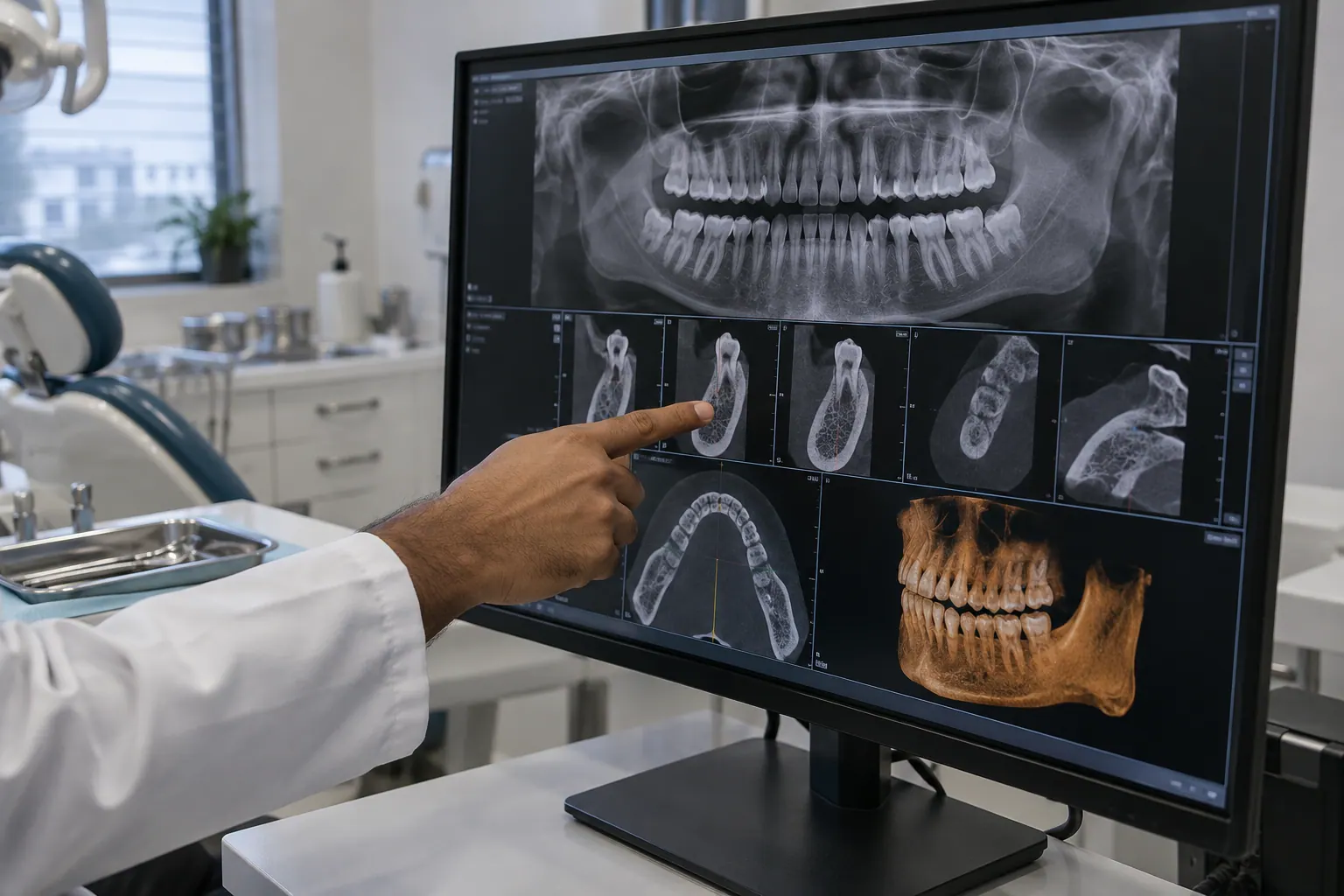
Illustrative image: a dentist pointing to a CBCT dental scan on a monitor

Diagnostics and Assessment

2 treatments

Dental X-Rays and Diagnostics

Imaging and clinical assessment used to see what an examination alone cannot show.

X-rays show decay between teeth, the condition of roots and surrounding bone, and the position of unerupted teeth. They are taken when there is a clinical reason to do so.

Findings are explained to you and form the basis of any treatment plan, together with the clinical examination and your dental history.

Suitable for
Patients being assessed for treatment planning or a specific concern.

TMD and Neuromuscular Dentistry

Assessment and management of jaw-joint and jaw-muscle problems.

Temporomandibular disorders can involve jaw pain, clicking, restricted opening, or headaches and muscle tenderness linked to jaw function and clenching.

Assessment looks at the joint, the muscles and how the teeth meet. Management may include a splint, adjustments to the bite, or advice on habits, depending on the findings.

Suitable for
Patients with jaw pain, clicking, or clenching and grinding habits.
Read the full guide

Common questions

Questions people ask us

Answered from the treatment information on this page. Anything specific to your own teeth is better answered at an appointment, so contact the clinic and ask.

  • Both move teeth into better alignment. Fixed braces use brackets and an archwire and stay on throughout treatment, while clear aligners are removable trays worn in a planned sequence. Aligners suit many alignment concerns, but some cases are better treated with fixed braces. An assessment at the clinic establishes which approach fits your situation.

Book a visit

Ready when you are

Send an enquiry and we will confirm a time, or call the clinic directly. We are open Monday to Saturday, 10:30 AM to 9:00 PM.

Message Smile Maker Dental Clinic on WhatsApp